
Foundation Drainage and Water Management in North Richland Hills, TX
North Richland Hills Superior Foundation Repair offers professional foundation drainage and water management in North Richland Hills, TX, built around one idea: keep the soil under your slab at a steady moisture. We install French drains with 4-inch perforated pipe in washed gravel, solid SDR-35 PVC downspout lines, surface drains, regrading and soil watering systems. French drains run $32 to $55 per linear foot and carry a 5-year workmanship warranty.
Water damages foundations on clay in both directions. Too much along one wall swells the soil and pushes that side up, and too little in a dry August lets it shrink and drop. We grade for 6 inches of fall in the first 10 feet, carry roof water away in pipe, and set up watering so the soil around the whole house stays even.
Get a FREE Estimate
Or call (817) 918-8523
Foundation Drainage Systems We Install
Foundation French Drains
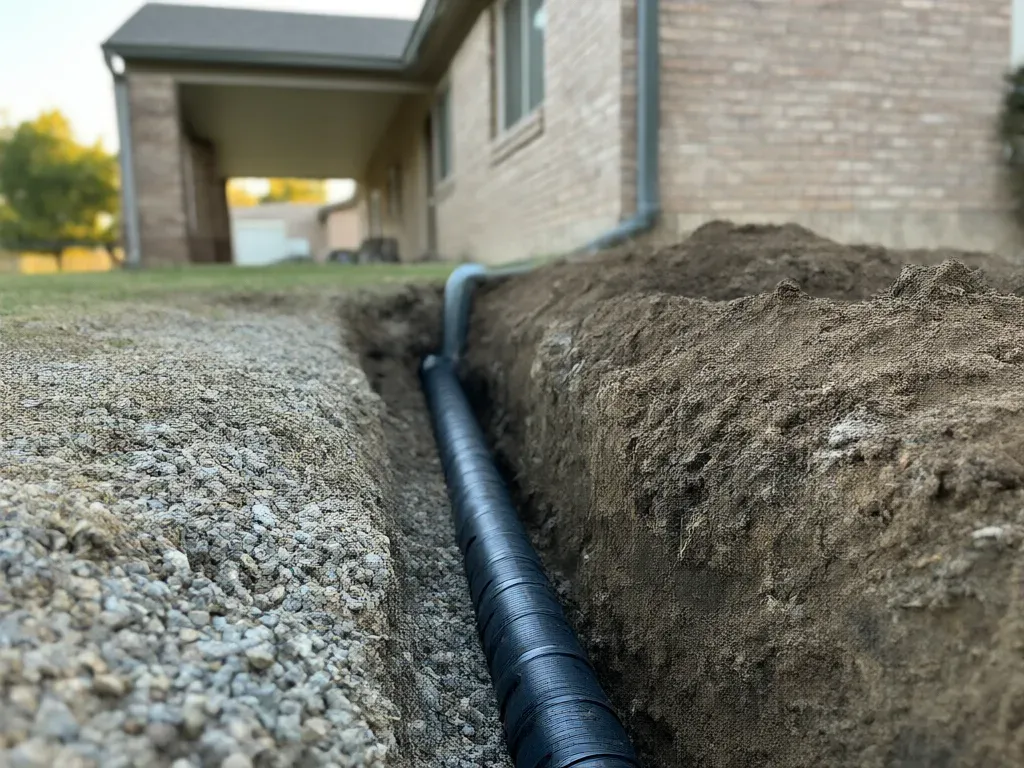
A French drain catches water moving through the soil before it reaches the grade beam. Ours are a 12-inch-wide trench 18 to 24 inches deep, lined with filter fabric, with 4-inch perforated pipe in 3/4-inch washed gravel. The pipe falls at least 1 percent, 2 percent where the yard allows, with a cleanout at the high end.
Foundation Downspout Drain Lines
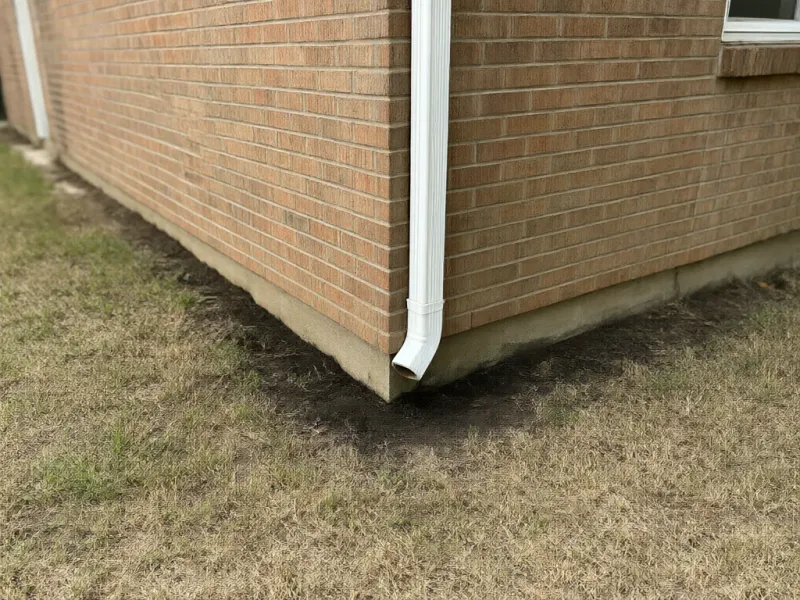
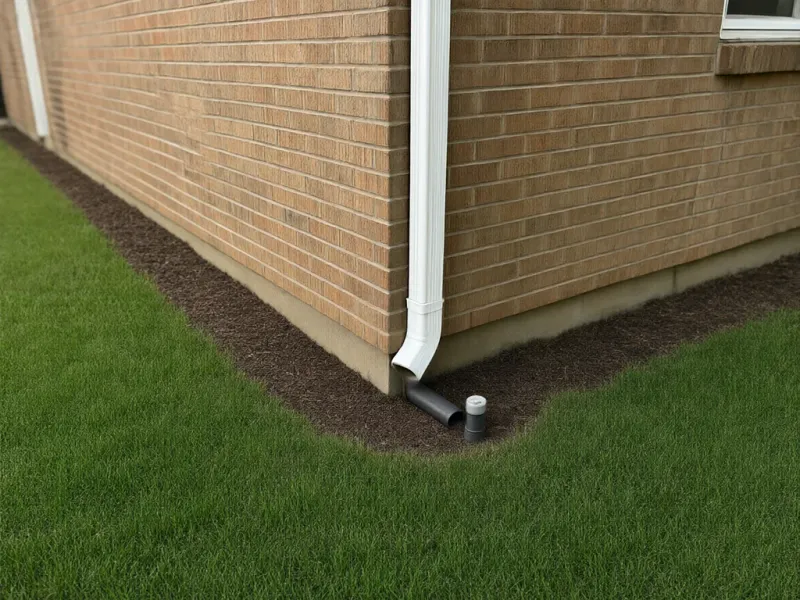
A downspout dumping against the brick is the most common drainage problem we see. We connect each downspout to its own 4-inch solid SDR-35 PVC line and carry it to a pop-up emitter or out to daylight. Downspout lines run $18 to $30 per linear foot.
Foundation Regrading and Swales
The ground next to a house should fall 6 inches in the first 10 feet. Swales that carry water around the house need 2 percent fall where possible and never less than 1 percent. Regrading a typical lot runs $1,200 to $3,500.
Foundation Surface Drains and Catch Basins
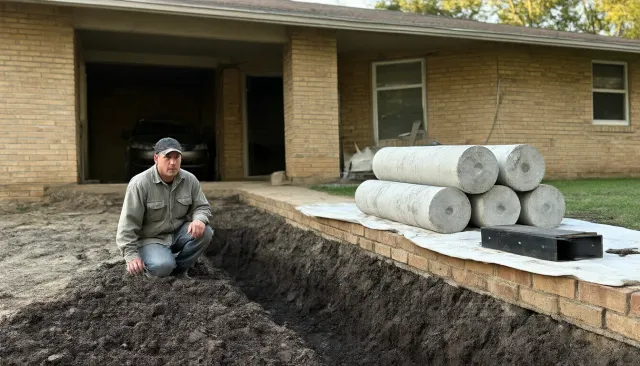
Low spots between houses, patios that tilt toward the slab and corners where two roof lines dump together need a surface inlet. We grade the area to the inlet and run solid pipe from it, so surface water never goes into a perforated line.
Foundation Soil Watering Systems
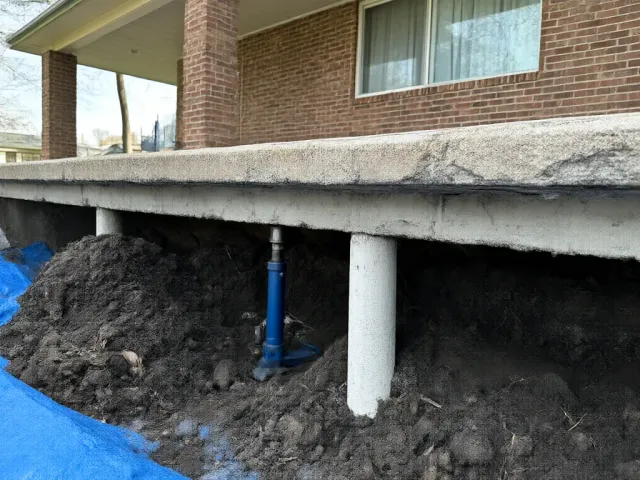
In a long dry spell the fix is adding water, carefully. We lay soaker hose 12 to 18 inches out from the slab edge on a timer and set it to run more in July and August and less after rain.
Before and After
How Water Moves a Foundation on Clay
Expansive clay changes volume with its water content. A slab doesn't care much whether the soil is wet or dry. It cares whether the soil is wet on one side and dry on the other, because that's what bends it.
Flower beds are a classic culprit. Edging and mulch hold water against one wall all spring, while the opposite side bakes in the sun. A lot of soils in this area also have a sandy top layer over dense clay, so rainwater soaks in fast and then sits on the clay right at the depth of the grade beam.
The ASCE Texas Section repair guideline lists drainage, gutters and watering as measures to try before or alongside structural repair. Sometimes they're the whole fix. When the house has already dropped, they keep the piers from fighting the same water every year.
Signs the Problem Is Drainage, Not Just the Foundation
Water still standing near the house a day after a rain is the plainest sign. So is soil washed out under a downspout, a muddy line along the brick, or white mineral stains on the bottom courses where the wall keeps getting wet.
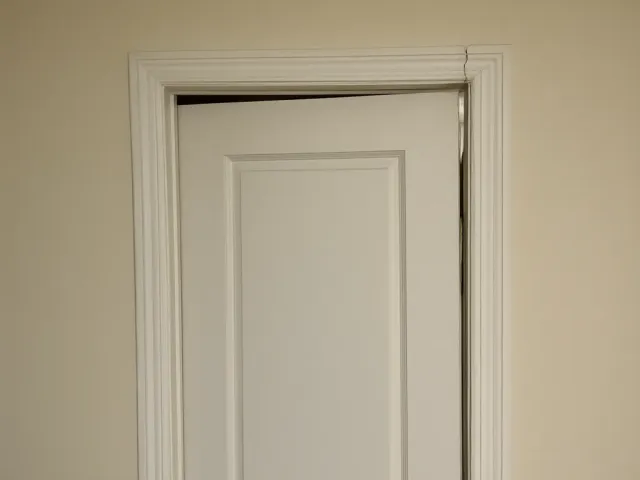
Watch when the cracks change. Cracks that open in a dry August point to shrinking soil. Cracks that get worse in a wet spring, or a slab that seems to rise on one side, point to too much water on that side.
In a crawl-space house, a musty smell, damp dirt or standing water under the floor means the drainage around the perimeter is sending water inside the beam instead of away from it.
Drainage Mistakes We Undo Every Year
Downspouts tied into a perforated French drain are the big one. Roof water floods the pipe and pushes out through the perforations right next to the foundation, which is the opposite of the plan. The ASCE guideline says not to do it, and we never do.
Close behind: French drains with no fall, no fabric and no cleanout, flower beds built up over the brick's weep holes, and sprinkler heads that spray the slab every morning. Each one keeps one side of the house wetter than the rest.
Fixing these is usually cheaper than people expect, and it's always cheaper than piers. We'll tell you when drainage alone is the right first step.
Our Foundation Drainage Installation Process
Walk the water path
We trace where roof water and surface water go, take grade readings around the house and look at the soil in a test hole.
Drainage plan
You get a sketch with pipe routes, fall, cleanouts and the outlet, plus a written price per linear foot before anything is dug.
Utility locate
We notify Texas811 at least 48 hours before digging, not counting weekends and holidays, and work around every marked line.
Trench and install
The crew trenches, lays fabric, gravel and pipe at the planned fall, connects downspouts to solid lines and regrades the beds.
Flow test and restore
We run water through each line to check the outlet, backfill, replace the sod and leave you a copy of the final layout.
Foundation Drainage FAQ
Do I need a French drain or just better grading?
If water is running across the surface toward the house, grading and downspout lines usually solve it. A French drain is for water moving through the soil, like a neighbor's yard draining into yours under the surface.
Can my downspouts connect to the French drain?
No. Downspouts need their own solid pipe. Tying them into a perforated drain floods it and pushes roof water out right next to the foundation.
Where does the drainage water go?
To a pop-up emitter near the street, or to daylight at a lower part of the yard. We pick the outlet during the plan so the water doesn't end up on a neighbor's foundation.
Will drainage fix foundation movement I already have?
It stops the water from making it worse, and some seasonal movement settles down on its own. A house that has already dropped may still need piers. The floor survey tells us which.
What does foundation drainage cost?
French drains run $32 to $55 per linear foot, downspout lines $18 to $30 per linear foot, and regrading a typical lot $1,200 to $3,500. Most French drains up to 150 feet take 1 to 2 days.
Find Out Where Your Water Is Going
Call (817) 918-8523 and we'll walk the drainage with you during a free inspection, then put the plan and the price in writing.